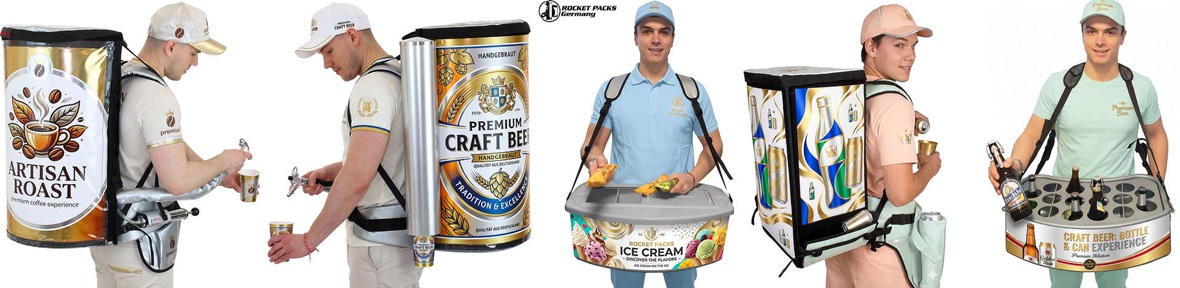
- The drink dispenser backpack is your ultimate solution for serving beverages on the go!
- Whether you're at a festival, an outdoor event, or a party, this backpack lets you carry and dispense drinks with ease.
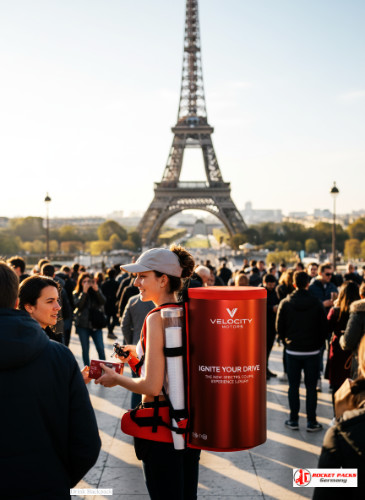
Elevate your event with our drink dispensing solutions. For more information and to explore our options, contact us today.
FAQ – Verifying a Drink Dispenser Backpack Before Live Operation
A video can show how a drink dispenser backpack is worn and operated, but it cannot confirm every technical detail of the system. A reliable assessment requires defined test conditions, the intended beverage and a complete check from preparation to cleaning. The following questions help turn a visual demonstration into a practical approval process for live service.
What can be assessed directly from the drink dispenser backpack video?
The footage can provide a visual impression of the backpack position, hose handling, tap operation and interaction between the operator and recipient. It may also show whether the wearer can reach cups and dispensing equipment without excessive movement.
These observations are useful for planning a pilot test. They do not confirm the container material, exact capacity, pressure setting or complete delivery scope of every available configuration.
Which technical details cannot be verified from the footage alone?
A video normally does not reveal the internal container construction, seal condition, permitted operating pressure or compatibility of individual connections. Beverage temperature and the exact system configuration may also remain unknown.
These points must be checked against the product description, operating instructions and written quotation for the unit being considered.
Why should the filmed equipment be compared with the written quotation?
The video may show optional equipment or a demonstration setup that differs from the system included in a customer’s order. A visible tap, cup dispenser, pump or gas component is not automatically part of every backpack.
The quotation should identify the selected model, beverage container, dispensing method and included accessories. Any uncertainty should be clarified before the order is approved.
How can the video be used to define an acceptance test?
The visible operating sequence can be divided into individual checkpoints: preparing the equipment, filling the container, connecting the beverage path, putting on the backpack, walking, dispensing and returning to the service base.
Each checkpoint should have a clear acceptance condition. For example, connections must remain dry, the tap must close correctly and the carrying system must remain stable with the intended working fill.
What should be inspected before liquid is added?
The first inspection is carried out while the equipment is empty and safely positioned on a stable surface. Container, lid, seals, hoses, couplings and tap are checked for visible damage or incorrect assembly.
- Confirm that all ordered components are present.
- Inspect beverage-contact parts for contamination or damage.
- Check that hoses are not twisted or sharply bent.
- Operate the tap and confirm that it moves freely.
- Inspect straps, buckles and attachment points.
- Verify pressure equipment where included.
Why should the conditions of each test be recorded?
A result is only useful when the conditions are known. The record should include the beverage or test liquid, fill quantity, temperature, tap configuration and method used to generate the beverage flow.
Without this information, two tests cannot be compared reliably. A different result may come from changed conditions rather than from a fault in the backpack.
What does an even beverage stream in the video actually prove?
It shows that the demonstrated setup produced a controlled flow during that particular sequence. It does not establish that the same result will occur with every beverage, fill level or operating temperature.
The customer’s own test must use the intended drink. Carbonation, viscosity, sugar content and temperature can all change the behaviour at the tap.
Why should the system be tested at different fill levels?
The behaviour of the backpack can change as the container becomes lighter. Balance, beverage movement and the available flow may differ between the beginning and end of a service cycle.
A useful trial therefore includes dispensing shortly after filling, around the middle of the planned working quantity and close to the intended refill point. This shows whether the process remains manageable throughout the complete route.
What should be checked immediately after filling?
The filled system is inspected before it is lifted. The container closure, beverage connections and surrounding surfaces must remain dry.
A small test portion is dispensed while the backpack is still supported. If liquid appears around the lid, coupling or hose connection, the unit is not released for wearing until the cause has been corrected.
Why should dispensing be tested again after walking?
Movement affects both the carried liquid and the external components. A hose may shift, a loosely secured accessory may move or a carbonated beverage may react differently after the operator has walked through the test route.
The test should therefore include realistic stopping, turning and walking before another portion is dispensed. This provides a better indication of live operating conditions than a stationary tap test.
What can the operator’s posture reveal during the trial?
The wearer’s posture can indicate whether the harness distributes the load appropriately for that person. Repeated leaning, raised shoulders or constant correction of the backpack may suggest that the straps require adjustment or that the working fill is too demanding.
The same settings should not be transferred automatically to another operator. Each wearer needs an individual fitting with the expected operating weight.
How should hose handling be evaluated?
The beverage hose must remain accessible without hanging loosely into the walking area. It should not be trapped under a strap, pulled tightly across the body or sharply bent when the operator reaches for the tap.
Right- and left-handed users may require different handling arrangements. Both the dispensing position and the storage position between servings should be tested.
What should happen to the tap while the operator is walking?
The tap should remain in a defined and secure position between servings. It must not swing freely, touch the floor or come into contact with used cups and surrounding surfaces.
The operator should be able to retrieve it without searching behind the body or pulling on the beverage hose. This movement belongs in the practical training sequence.
How is cup handling included in the approval test?
The test should use the actual cup selected for the event. The operator removes a cup, positions it under the outlet, dispenses the planned portion and completes the handover.
This sequence reveals whether the cup fits the dispenser, whether several cups are released together and whether the operator can control the tap without unstable hand changes.
Why should several portions be dispensed consecutively?
A single successful pour does not demonstrate a repeatable operating process. Several consecutive servings show whether the flow remains stable and whether the tap continues to close after repeated use.
The test also reveals how quickly the operator can move between cup removal, filling and handover without rushing or losing control of the equipment.
How should dripping after each serving be assessed?
An occasional remaining drop and continuous leakage are not the same condition. After the tap is closed, the outlet should be observed for a defined period and the surrounding area checked.
Persistent dripping may indicate residue, an incorrectly assembled part or a damaged seal. The cause should be corrected before the system enters a public service area.
What should be evaluated during the cup handover?
The recipient must be able to take the cup without touching the tap or reaching around the operator. The transfer point should allow both people to stand securely and should not obstruct the surrounding visitor flow.
For hot drinks, the operator must also avoid handing over a wet or overfilled cup. For cold beverages, spills around the rim can still affect cleanliness and presentation.
Why does the return to the refill station belong in the video assessment?
The service cycle is not complete when the container becomes empty. The operator must return safely, place the backpack on a suitable surface and report any irregularities before refilling begins.
A long or complicated return route can reduce the effective service time. It may also change the preferred working fill or the number of systems required for the project.
What should be observed when the backpack is removed?
The system should be lowered in a controlled manner without pulling on hoses, taps or external accessories. A stable support surface should be available before straps are released.
If assistance is required for a particular working weight, this must be included in the normal operating procedure rather than treated as an exception.
How can several operators be compared fairly during a pilot?
Each operator should use the same backpack configuration, test quantity, route and dispensing task. The harness is adjusted individually, but the remaining conditions should stay comparable.
The evaluation should consider safe handling, consistent portioning and physical feedback rather than only speed. The fastest operator is not necessarily the most suitable for a longer service period.
Which checks are essential when the demonstration uses a pressure system?
All pressure components must be suitable for the selected configuration and connected according to the operating instructions. A gas cylinder must be secured, and the regulator must remain within the permitted range of the complete system.
- Check the condition of pressure hoses and connections.
- Secure the gas cylinder in its intended holder.
- Test the system for leakage before it is worn.
- Do not compensate for a restricted beverage line by increasing pressure.
- Close the gas supply before dismantling the system.
- Release all remaining pressure before opening the container.
When should the backpack fail the operational approval?
The system should not be released if liquid escapes, the tap cannot be closed, a hose remains restricted or the harness does not hold the load securely. Damaged seals, connectors or pressure components also require correction before further use.
The same applies when the operator cannot complete the planned route safely. Reducing the working fill or changing the operating area may be necessary even when the dispensing equipment itself functions correctly.
How should a problem be documented for technical support?
The recording should begin with the complete backpack and then move closer to the affected component. It should show the condition in which the problem appears without opening pressurised or hot components during operation.
The accompanying message should state the model, beverage, fill level, temperature, dispensing method and the exact stage at which the fault occurs. This information is more useful than a close-up video without operating context.
What should an internal training video include?
A useful training video presents the full approved procedure rather than only the most visually attractive dispensing scene. It should show how the equipment is checked, worn, operated, returned and prepared for cleaning.
- Pre-use inspection
- Correct filling and closure
- Functional and leak test
- Harness adjustment
- Safe lifting and walking
- Cup removal and dispensing
- Return to the service point
- Controlled removal of the backpack
- Pressure release where applicable
- Emptying and cleaning procedure
How can the video support final project approval?
The recording can provide event management, catering staff and brand representatives with a shared view of the planned process. Each team can review the aspects relevant to its responsibility.
Technical approval should still be based on the actual equipment, written instructions and results of the pilot. The video supports the decision but does not replace a physical inspection.
Which results should be documented after the pilot test?
- Working quantity used during the test
- Number and size of portions dispensed
- Time spent on the complete route
- Remaining beverage after return
- Frequency of cup reloading
- Condition of hoses, tap and connections
- Operator feedback on balance and handling
- Any leakage, dripping or flow interruption
- Time required for refilling and preparation
- Required changes before live service
These observations provide a practical basis for deciding on working fill, staffing, service zones and the number of backpacks required.
Which information is needed when requesting a configuration after the video review?
The enquiry should combine the intended beverage with the results of the operational assessment. This allows the equipment to be considered as part of the customer’s actual workflow.
- Exact beverage and relevant ingredients
- Still or carbonated application
- Required serving temperature
- Preferred working quantity
- Planned portion and cup format
- Gravity, hand-pump or regulated CO₂ operation
- Length and conditions of the service route
- Required number of systems
- Event date and complete delivery destination
When these details are provided together, the container, dispensing method and operating requirements can be assessed with fewer additional questions.
[1]: https://www.drink-backpack.com/drink-dispenser-backpack-video.html "Drink Dispenser Video: Mobile Sales in Sydney & Worldwide"